Why Weight Gain Happens During Menopause (And What You Can Do About It)
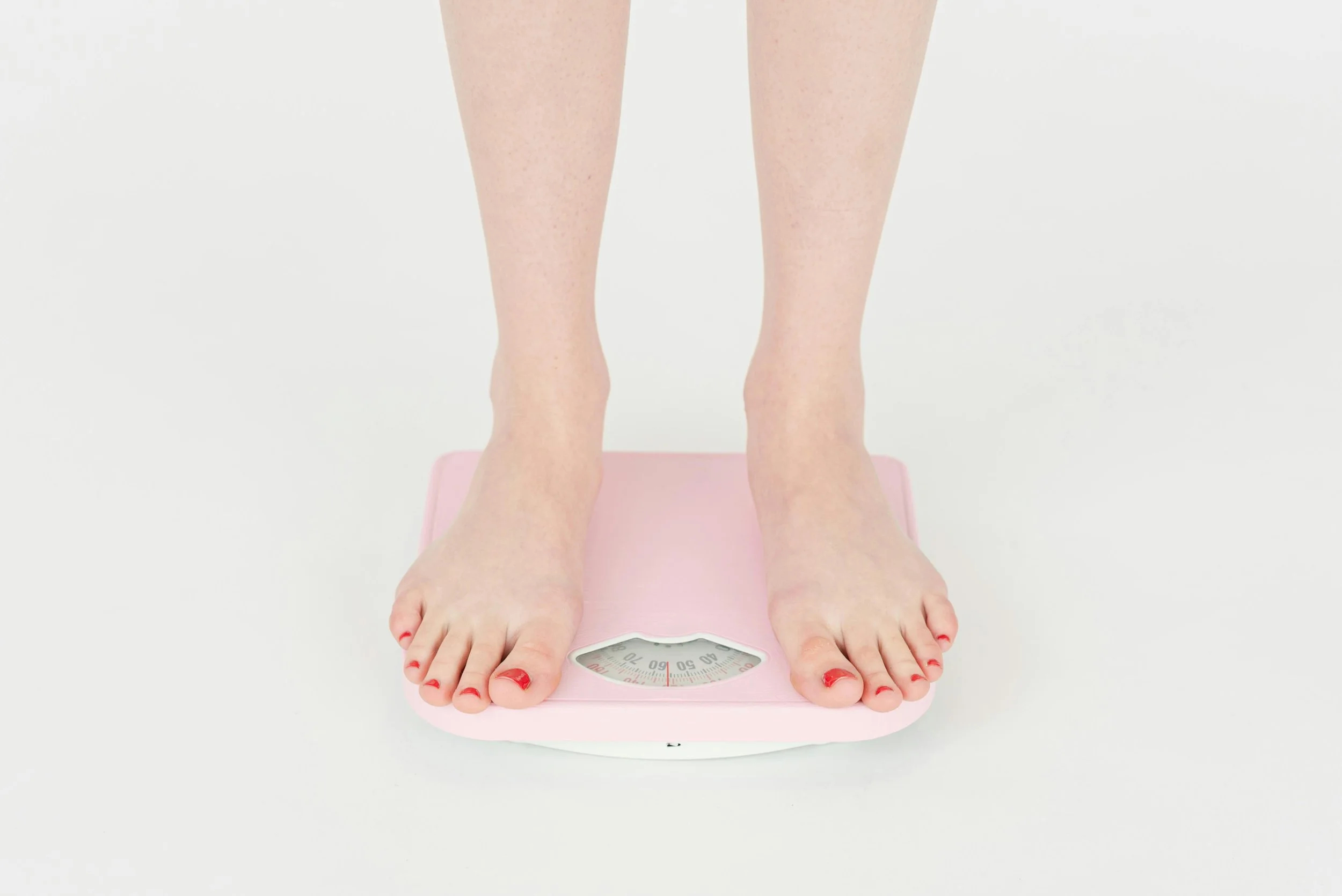
If it feels like your body suddenly started changing in your 40s, even though your habits haven’t changed much, you’re not imagining it.
Many women notice weight gain during perimenopause and menopause, especially around the abdomen, despite continuing to eat well and stay active. What worked in your 20s and 30s may no longer work the same way during midlife.
Hormonal changes, metabolism shifts, muscle loss, sleep disruption, stress, and insulin resistance can all contribute to menopause weight gain. And for many women, the frustration goes beyond the number on the scale. They often feel less energized, less confident, and disconnected from their bodies.
The good news is that understanding why these changes happen can help you take a more informed and supportive approach to your health.

Why Does Menopause Cause Weight Gain?
Menopause weight gain is complex, but hormones play a major role.
As estrogen levels begin fluctuating and declining during perimenopause and menopause, the body undergoes several changes that can affect weight, metabolism, and fat distribution.
These hormonal shifts may contribute to:
increased abdominal fat storage
slower metabolism
changes in insulin sensitivity
increased inflammation
reduced muscle mass
changes in hunger and satiety signals
For many women, the weight gain feels sudden. But in reality, it’s often the result of multiple gradual hormonal and metabolic changes happening at once.
This is one reason why menopause-related weight gain can feel especially frustrating. Women are often blamed for lifestyle habits when there may be underlying hormonal factors contributing to the changes they’re experiencing.
How Hormones Affect Metabolism During Midlife
Hormones influence far more than reproductive health. They also affect how the body stores fat, builds muscle, regulates blood sugar, and uses energy.
During menopause, declining estrogen levels may contribute to a slower metabolic rate and increased insulin resistance. This can make it easier to gain weight and harder to lose it, even with consistent exercise and healthy eating habits.
At the same time, many women naturally begin losing muscle mass as they age. Since muscle burns more calories than fat tissue, this shift can further slow metabolism over time.
Other midlife factors can also play a role, including:
chronic stress
elevated cortisol levels
poor sleep
increased fatigue
reduced recovery from exercise
Together, these changes can create the perfect environment for stubborn weight gain during menopause.

Why Belly Fat Becomes More Common After 40
One of the most common complaints women have during menopause is increased belly fat.
Hormonal changes after 40 can cause the body to store fat differently than it did earlier in life. As estrogen declines, fat distribution often shifts away from the hips and thighs and toward the abdominal area.
This type of weight gain is not only frustrating aesthetically, but it may also be associated with increased risks for:
cardiovascular disease
insulin resistance
type 2 diabetes
inflammation
metabolic syndrome
Many women feel discouraged because they continue exercising and eating similarly to how they always have, yet still notice increasing abdominal weight.
This is why personalized menopause care can be important. Weight gain during menopause is not always simply a matter of “trying harder.”

Other Symptoms That Often Happen Alongside Weight Gain
Weight gain during menopause is often accompanied by other symptoms related to hormonal changes.
These may include:
fatigue
brain fog
mood changes
sleep disturbances
hot flashes
night sweats
low libido
joint pain
difficulty concentrating
Many women don’t initially realize these symptoms may be connected.
Instead, they may feel like they’re suddenly aging faster, losing motivation, or struggling to keep up with daily life in ways they never experienced before.
Understanding the connection between hormones, metabolism, and overall wellness can help women feel more supported and empowered during this stage of life.

Can Hormone Therapy Help With Menopause Weight Gain?
Hormone Replacement Therapy (HRT) is not considered a “weight loss treatment,” but for some women, hormone optimization may help support overall metabolic health and improve symptoms that can indirectly contribute to weight gain.
For example, improving sleep quality, energy levels, muscle maintenance, mood, and insulin sensitivity may help women feel better able to maintain healthy habits and support long-term wellness.
Every woman’s body and health history are different, which is why individualized evaluation is important when considering treatment options.
A menopause specialist can help determine whether hormone therapy or other supportive approaches may be appropriate based on your symptoms, medical history, and goals.

Lifestyle Changes That Support Healthy Weight During Menopause
While hormonal shifts can make weight management more challenging, certain lifestyle strategies may help support healthy aging and metabolic health during menopause.
These may include:
Prioritizing Strength Training
Maintaining muscle mass becomes increasingly important during midlife. Strength training may help support metabolism, bone health, and body composition.
Supporting Sleep Quality
Poor sleep can affect hunger hormones, stress levels, and energy regulation. Addressing sleep disturbances may play an important role in overall wellness.
Focusing on Protein and Nutrition
Balanced nutrition can help support muscle maintenance, blood sugar stability, and energy levels during menopause.
Managing Stress
Chronic stress and elevated cortisol levels may contribute to increased abdominal fat storage and fatigue.
Seeking Personalized Medical Support
Many women benefit from a more individualized approach to menopause and hormone health rather than trying to navigate symptoms alone.

When to Speak With a Menopause Specialist
If you’re experiencing unexplained weight gain, fatigue, brain fog, or other hormonal symptoms during midlife, it may be time to speak with a menopause specialist.
You do not have to simply “push through” symptoms or accept feeling unlike yourself.
At JilaMD, Dr. Jila Senemar provides personalized menopause and hormone care for women in Miami and surrounding areas. The goal is to help women better understand the changes happening in their bodies and explore treatment options that support long-term wellness, vitality, and healthy aging.
If you’re looking for guidance related to menopause symptoms, hormone optimization, or midlife wellness, professional support may help you feel more informed and empowered in your next stage of life.
Ready for metabolism and weight solutions?
At JilaMD, we specialize in personalized care for women navigating weight gain from menopause and perimenopause symptoms.
Join the consultation waitlist and take the first step toward feeling better.